Lululemon is often misunderstood as a premium yoga apparel brand, but the real story is far bigger. The brand didn’t grow by selling leggings or sports bras. It grew by selling a way of living a mindful, intentional, elevated approach to everyday movement.
In an industry filled with high-intensity motivation, hustle energy, and competitive storytelling, Lululemon took the opposite road. It positioned itself at the intersection of wellness, identity, community, and emotional comfort. While Nike says “Just Do It,” Lululemon quietly whispers, “Be here.”
This case study explores how Lululemon built one of the strongest lifestyle brands of our generation by understanding psychology, culture, and community deeper than its competitors.
Brand Origins & The Founding Insight
Founded in 1998 in Vancouver by Chip Wilson, Lululemon started as a response to a cultural shift: women were entering a new era of wellness routines that blended fitness with lifestyle rituals. Yoga was exploding in popularity, yet the clothing available was either too performance-focused, too masculine, or too poor in quality.
Wilson realized that women needed apparel that felt aligned with how they lived not just how they exercised. The insight wasn’t about creating better sportswear; it was recognizing that movement had become a lifestyle category, not an athletic one.
Lululemon built its identity around this exact truth: women didn’t want clothes only for workouts. They wanted clothes for living, for transitions, for rituals, for slow mornings, for errands, for pilates, for everything in between.
Strategic Positioning (The Calm in a Loud Industry)
[IMAGE: Positioning diagram]
Lululemon’s positioning is one of the smartest in modern branding. Instead of competing with Nike and Adidas on performance, intensity, or athletic excellence, Lululemon claimed a calmer, more grounded psychological territory: mindfulness and holistic well-being.
This is a brand designed for people who value balance, presence, and intentional routines. Its tone is gentle and composed, its visuals are minimal and warm, and its ethos is rooted in conscious living. In a world overstimulated by loud brands, Lululemon became the space where customers could breathe.
The brilliance of this approach is that Lululemon did not fight existing giants. It simply created a new category—athleisure as identity—and became the default leader.
Brand Architecture (The 4 Pillars)
Lululemon’s brand architecture is quietly strong and extremely consistent. It rests on four interconnected pillars:
Purpose
“To elevate the world by realizing the full potential in every one of us.”
This purpose is not performance-driven; it is self-growth driven, shaping the brand’s calm and encouraging voice.
Product
The brand’s signature fabrics—like Nulu, Everlux, Luon—are engineered to create an emotional experience when worn. The fit is intentional, the silhouettes minimal, and the sensory feel unmistakable. Lululemon’s product is designed not just for activity, but for emotional comfort.
Community
Instead of athletes or celebrities, Lululemon built its influence through local ambassadors—yoga teachers, pilates instructors, run leaders, wellness coaches. This ground-up community strategy creates trust that advertising cannot buy.
Experience
Lululemon stores are built like sanctuaries: warm lighting, earthy tones, natural textures, and educators who engage in genuine conversations rather than push sales. Every touchpoint reinforces wellness, intentionality, and presence.
Consumer Behaviour: Why People Really Buy Lululemon
Lululemon’s customers are loyal not because of hype, but because their psychological needs are deeply understood. Several behavioural insights drive the brand’s success:
- Identity Signaling:
Wearing Lululemon communicates that the user values health, discipline, routines, balance, and mindfulness. It’s subtle status—not loud luxury but self-respect. - Routine Integration:
Lulu’s clothing fits seamlessly into daily rituals: morning yoga, dog walks, pilates, errands, travel, or work-from-home. The product becomes part of the consumer’s emotional rhythm. - Comfort-Confidence Loop:
The softness and fit of the fabrics create an instant “I feel good in my body” moment. This emotional feedback loop creates repeat wear and repeat purchase. - Community Influence:
Lululemon’s tribe-based model builds belonging. People discover the brand through instructors, classes, and peer environments. - Premiumization Psychology:
High price becomes a signal of self-investment. Customers associate buying Lululemon with choosing a better, more elevated version of their life.
Brand Identity Prism (Kapferer)
The Lululemon Brand Identity Prism shows how the brand expresses itself across both internal beliefs and external perception.
- Physique:
Clean lines, premium technical fabrics, soft textures, and minimalistic silhouettes. - Personality:
Calm, grounded, supportive, reassuring, intentional. - Culture:
Built on wellness, balance, community, personal growth, and mindful living. - Relationship:
The brand acts like a supportive guide—gentle, informative, and present. Educators are trained to listen, not sell. - Reflection:
Customers who value self-care, routines, mindfulness, and conscious consumption. - Self-Image:
“I take care of myself. I invest in quality. I live intentionally.”
This prism makes Lululemon one of the clearest lifestyle identities in modern branding.
Competitor Analysis (Why Lululemon Stands Apart)
Lululemon’s position becomes clearer when contrasted with its category peers:
- Nike focuses on athletic performance and motivational intensity. It doesn’t occupy the slow, mindful territory Lululemon owns.
- Alo Yoga leans into aesthetics and influencer culture but lacks the deep community roots and technical product innovation.
- Athleta promotes empowerment and inclusivity but is less premium and less culturally iconic.
- Vuori is comfort-forward and West-coast casual, but not as aspirational or ritual-driven.
Lululemon’s unique blend of proprietary fabrics, community-first strategy, premium minimalism, and emotional branding creates a moat none of these competitors replicate in full.
The Psychology Behind Lululemon’s Branding
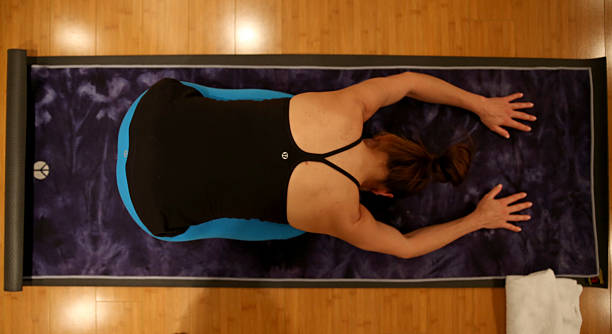
Lululemon succeeds because it taps into emotional triggers that shape modern well-being culture. It associates movement with presence rather than performance. It frames clothing as a self-care investment rather than a fashion purchase. It positions wellness as a lifestyle ritual rather than an activity.
By emphasizing emotional comfort and self-improvement, Lululemon becomes a brand people wear when they want to feel more connected to the best version of themselves. It occupies the rare emotional space between luxury and lifestyle—a place where people aspire to calmer, healthier living.
Community: The Engine Behind the Brand’s Cult Loyalty
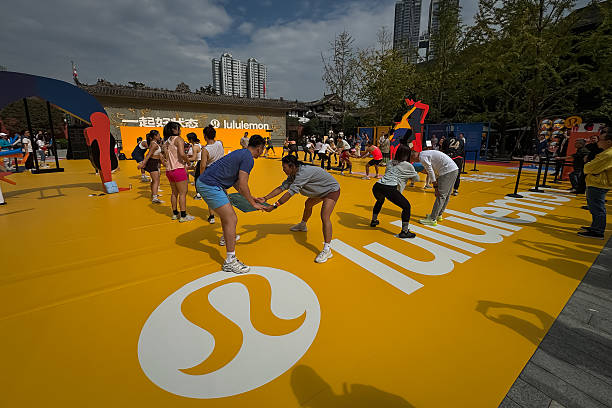
Lululemon’s community strategy is one of the most powerful growth engines in the apparel industry. Instead of hiring celebrities, the brand empowers real people—local yoga instructors, pilates coaches, meditation teachers, and running leaders—to become ambassadors.
These ambassadors build micro-communities through events, classes, and routines that integrate Lululemon into people’s social and physical environments. In-store yoga sessions, local run clubs, and wellness meetups are not marketing tactics—they are culture-building rituals. This grassroots strategy fosters loyalty no paid campaign can replace.
Retail & Digital Experience
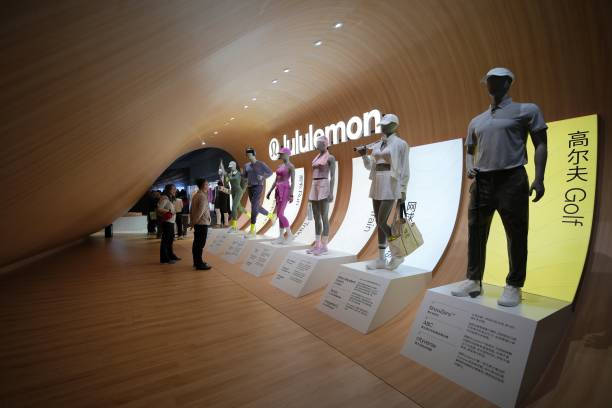
Lululemon’s retail strategy sets it apart from every major sportswear brand. Its stores feel like modern wellness studios: warm lighting, clean visuals, natural textures, and calming acoustics. Educators engage with customers through conversation, empathy, and education rather than sales pressure.
This level of sensory detail creates an emotional imprint. Customers remember how the store made them feel, not just what they bought.
Digitally, the brand maintains the same energy through clean interfaces, instructional content, community-centric storytelling, and a strong emphasis on lifestyle imagery. The website and app are designed for exploration, not urgency.
The Lululemon Advantage (Why It Keeps Winning)
The power of Lululemon lies in its identity flywheel:
Product → Ritual → Community → Identity → Loyalty → Brand Equity
Once a consumer enters this loop, their relationship with the brand deepens over years. They continue buying not because of fashion trends but because Lululemon is integrated into their lifestyle and self-perception. This psychological lock-in creates one of the highest lifetime value metrics in the apparel category.
So What Makes Lululemon so successful?
At its core, Lululemon is not an athletic brand, it is a lifestyle philosophy. It sells presence, balance, self-care, and community in a world that desperately needs all four.
Lululemon succeeds because it understands that modern consumers do not want to be pushed.. they want to be supported. They want products that make them feel grounded, clothing that integrates seamlessly into their routines, and a brand that reflects who they aspire to be.
Where other brands shout “perform,” Lululemon gently guides you toward becoming a more intentional version of yourself.
And that is what makes Lululemon one of the most powerful lifestyle brands in the world.