Category: Case Studies
-
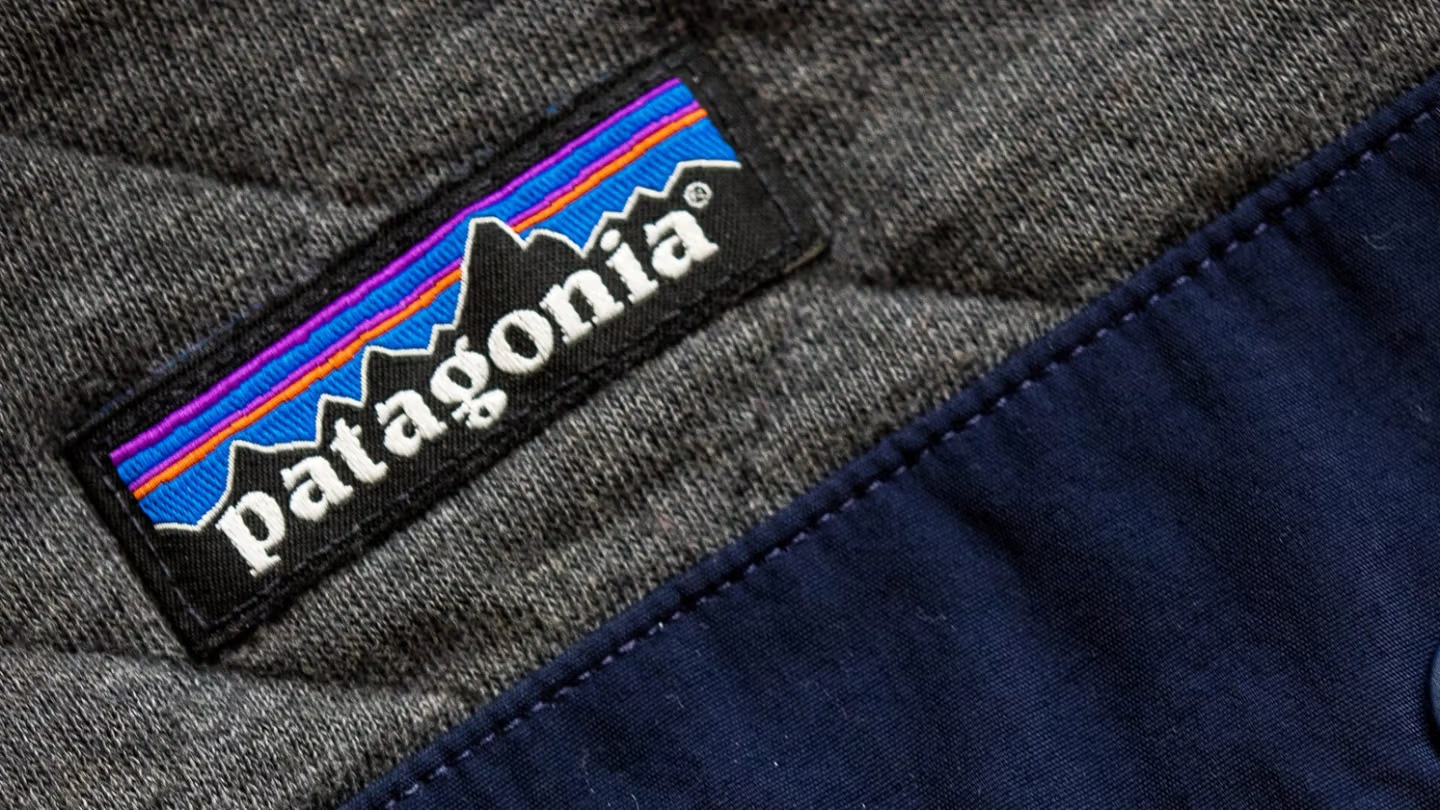
Patagonia: The Brand That Told You Not to Buy It
In November 2011, Patagonia took out a full-page advertisement in the New York Times on Black Friday, one of the highest-spend retail days in the American calendar, with a single message printed over an image of their best-selling jacket: “Don’t Buy This Jacket.” The ad went on to describe the environmental cost of producing the…
-

Aēsop – The Brand That Won By Doing Less
Aesop built its entire brand on the opposite premise and became one of the most studied identity systems in modern branding as a result. Understanding why it works requires looking not at what Aesop does, but at what it consistently refuses to do.
-
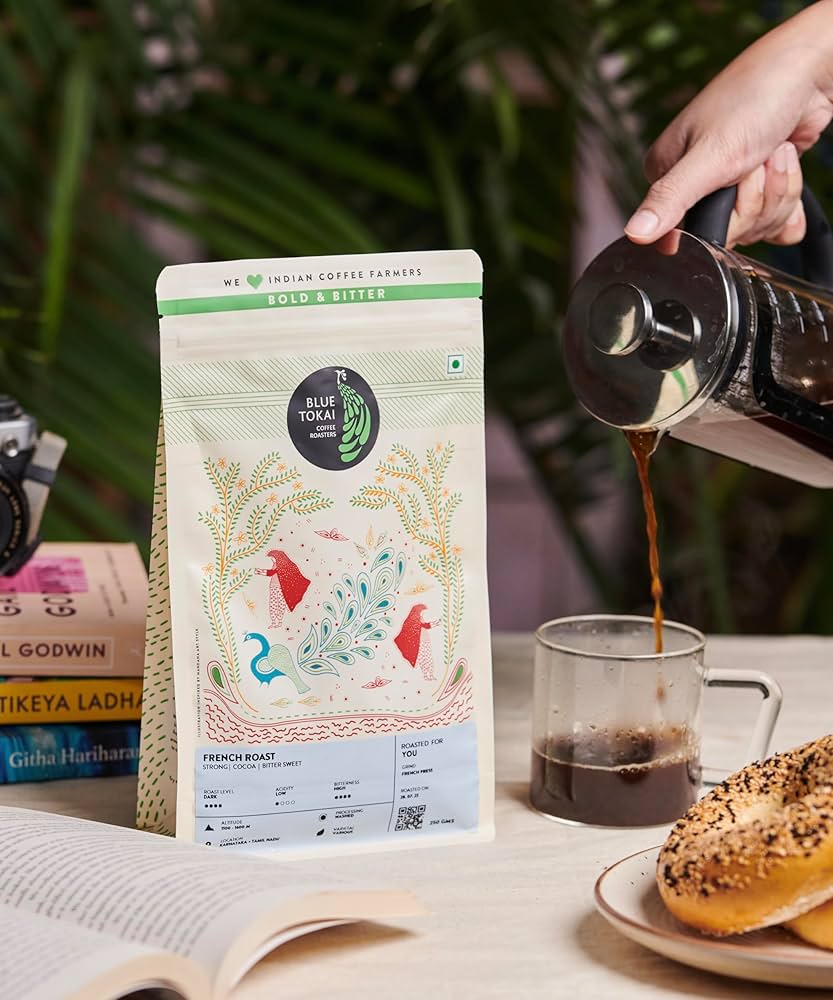
Blue Tokai: How a Roastery Rewrote India’s Relationship With Coffee
India grows some of the world’s most distinctive coffee. For most of its history, Indians rarely tasted it. The beans went abroad, the profits went to exporters, and the domestic market ran on instant mixes and chicory blends that had more to do with convenience than craft. Blue Tokai looked at that gap and saw…
-
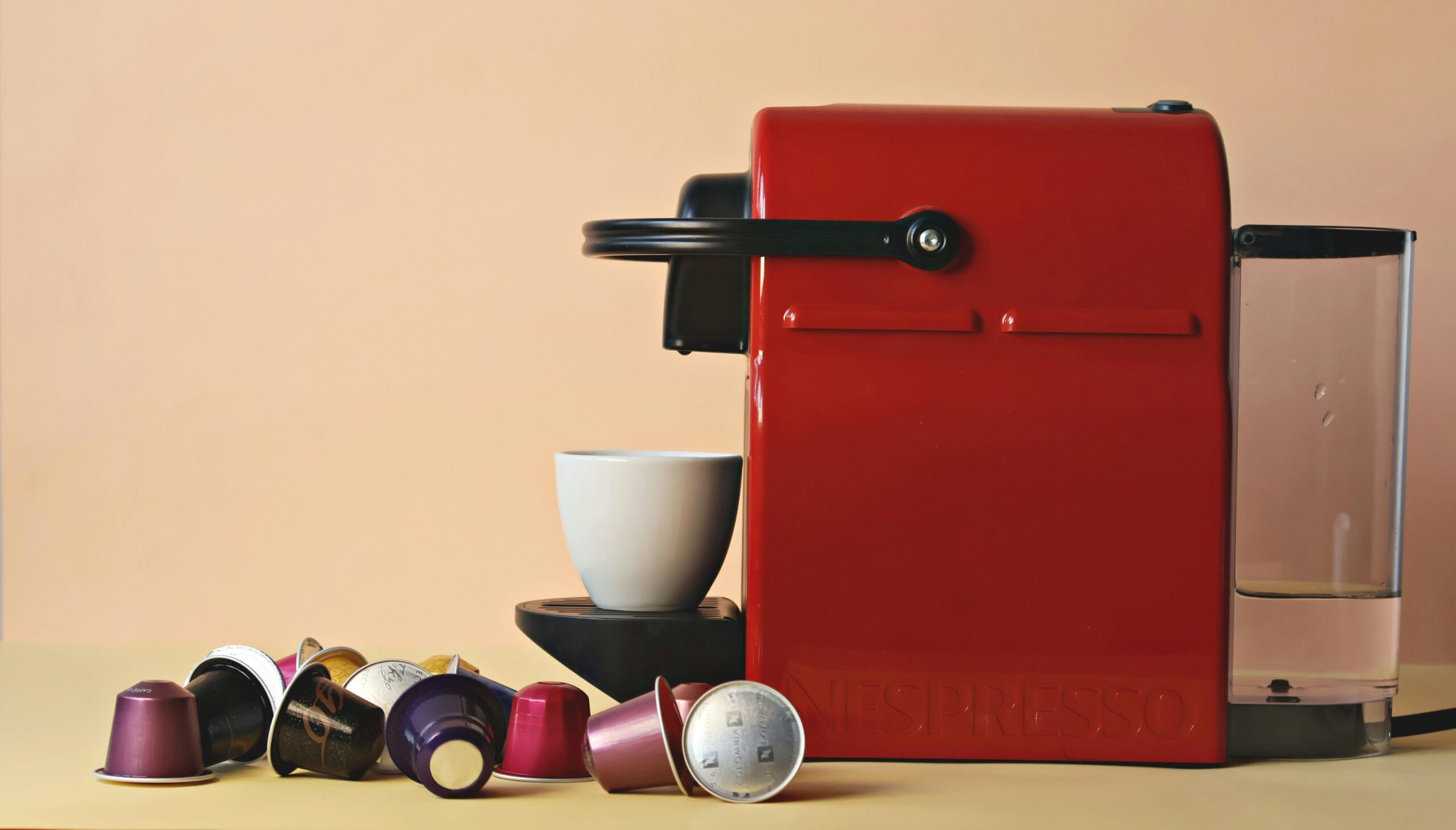
Nespresso: How a Closed System Became an Open Symbol of Taste
Luxury usually requires a story. A vineyard with a history. A craftsman with a method. A material with a provenance. Nespresso offers none of these things. It sells pre-portioned aluminium capsules and a machine that requires no skill to operate. And yet, for decades, it has occupied a position in consumer culture that most genuinely…
-
Starbucks: How a Coffee Chain Became a Daily Ritual
There is a particular kind of brand that stops being a product and becomes part of how people understand themselves. Starbucks is one of the few mass-market companies to have achieved this, not by being exclusive, but by being everywhere while somehow still feeling personal.