Patagonia is one of the rare brands that built a global movement by rejecting the logic of consumerism. In a world driven by constant growth, fast fashion, trend cycles, and newness obsession, Patagonia took a stance that felt radical. It told people not to buy their products unless necessary, donated its profits to the planet, used its platform for activism, and took moral positions that most corporations avoid. Patagonia behaves less like a retail brand and more like a philosophical institution with a commercial arm. Understanding Patagonia requires understanding its belief system and the cultural context in which it became an icon.
This case study explores how Patagonia became the world’s most respected outdoor brand not through hype but through integrity, activism, and an unwavering commitment to the planet.
The Core Question: How Did Patagonia Turn Anti-Consumerism Into Brand Desire
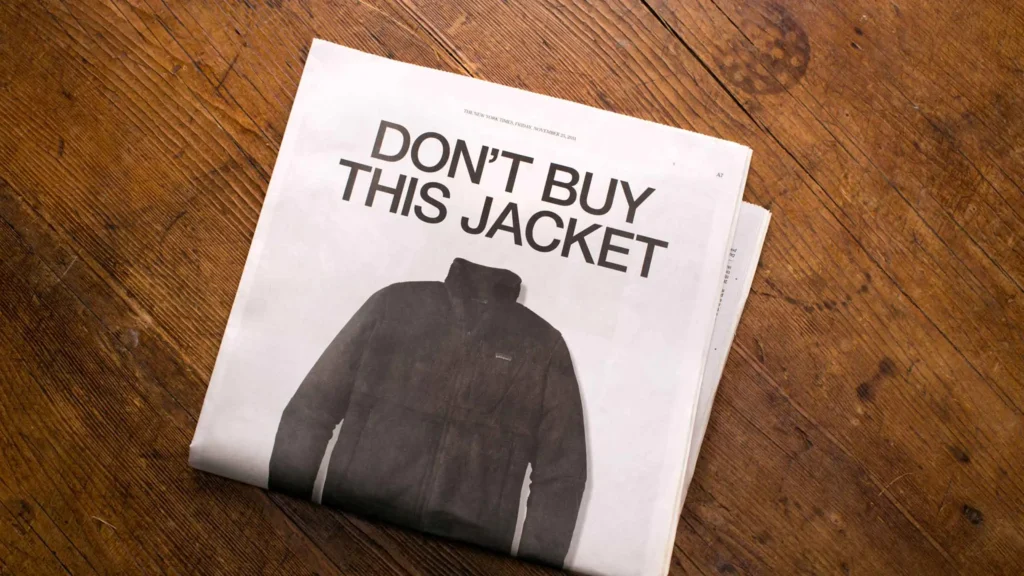
Patagonia’s success revolves around one central paradox. It is a brand that became famous by telling people to buy less. While the rest of the apparel industry optimises newness, advertising, and volume, Patagonia encourages repairing old clothes, reselling used items, and consuming consciously.
The question that defines Patagonia is not what products they sell, but how they created a global fanbase through a philosophy that contradicts the rules of capitalism. The brand’s power lies in treating ethics not as a marketing pillar but as a non-negotiable identity. Patagonia did not build a customer base. It built a tribe of believers.
Cultural Context: Rising Environmental Anxiety and the Search for Ethical Anchors
Patagonia emerged at a moment when climate anxiety was rising across generations. People were becoming more aware of sustainability, resource exhaustion, and the impact of fast fashion on the planet. There was a growing cultural discomfort with wasteful consumption and corporate greenwashing. Consumers wanted brands that did not only speak about responsibility but embodied it.
Patagonia positioned itself as the ethical anchor in a culture that increasingly questioned its own habits. It did not respond to the trend of sustainability. It helped create it. The company offered an alternative worldview where business existed to serve the planet, not extract from it. Through this narrative, Patagonia transformed the very meaning of outdoor apparel.
The Belief System: Earth Is Our Only Shareholder
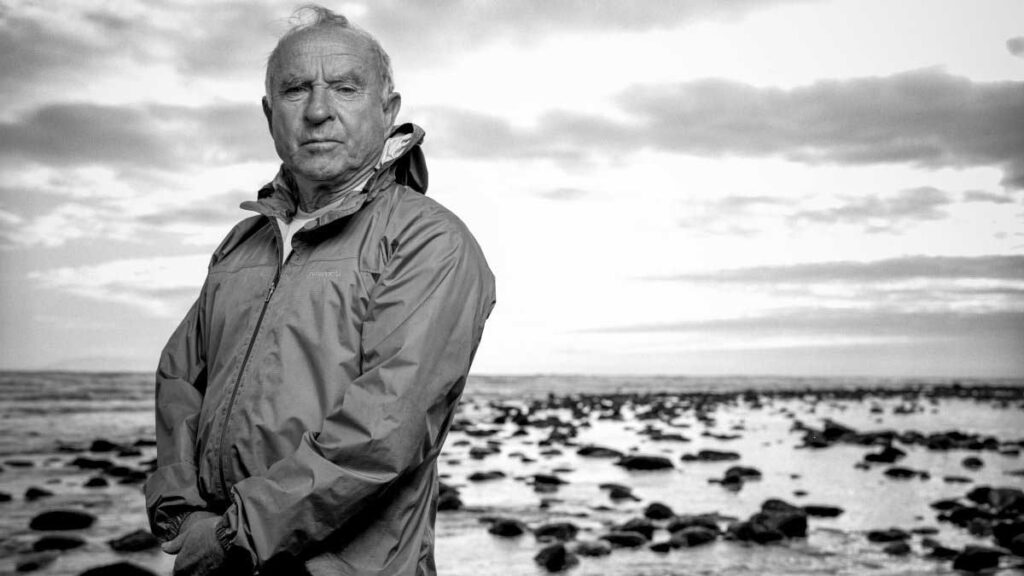
Patagonia is built on a deeply held belief that a company should cause no unnecessary harm. This philosophy is not decorative. It is structural. Every product, campaign, store, and internal policy is shaped by the idea that the planet is the ultimate shareholder. The brand values simplicity, humility, responsibility, and long term thinking. It believes in repairing, reusing, and respecting resources.
This belief system shapes communication. Patagonia speaks plainly and honestly. It does not romanticize nature. It does not use environmentalism as an aesthetic. Instead, it treats ecological responsibility as a moral duty. Its belief system turns products into tools for a mission rather than objects for desire.
Semiotic Codes: Rugged Utility as Moral Expression
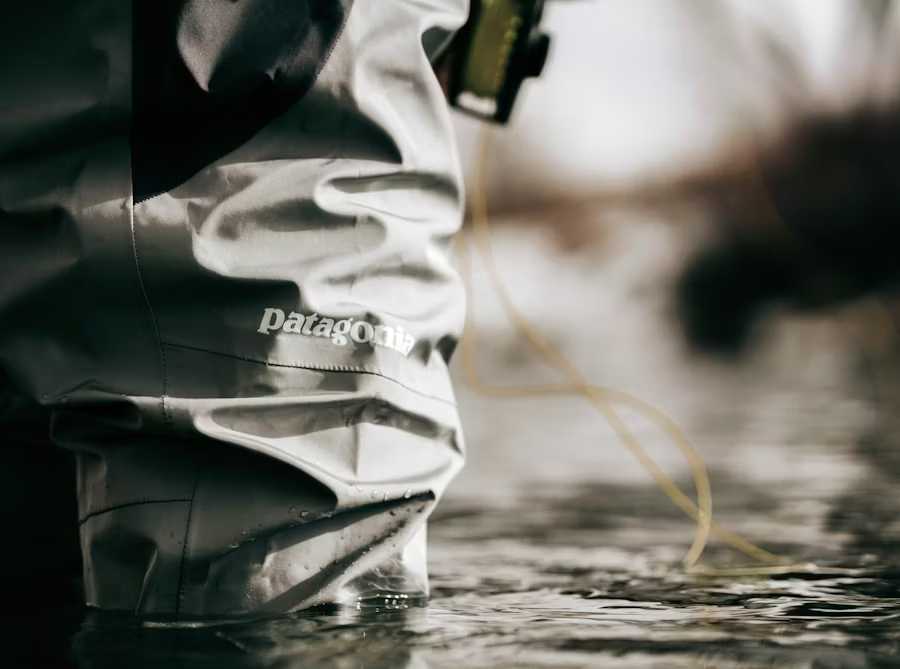
Patagonia’s visual language is grounded in utility. The colors are earthy. The silhouettes are functional. Materials carry the look of durability rather than decoration. Tags highlight environmental impact rather than aspirational luxury. The brand’s semiotic world communicates endurance, honesty, and elemental simplicity.
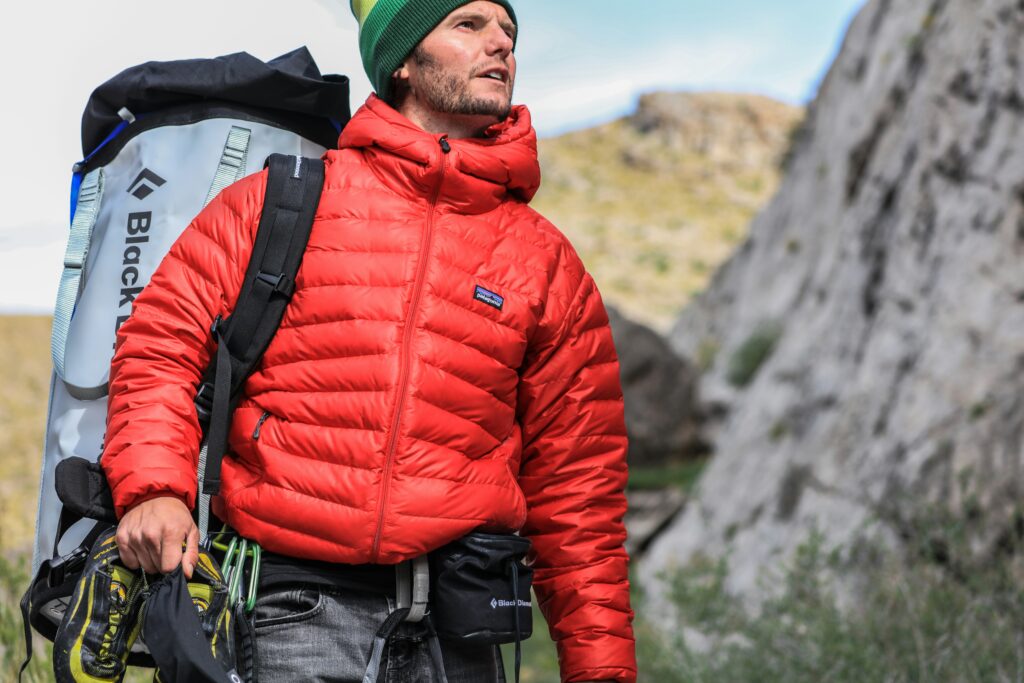
Worn-out Patagonia jackets have become cultural symbols. They suggest a life lived outdoors, a commitment to the planet, and a rejection of disposable culture. Wearing Patagonia signals values rather than fashion taste. The aesthetic of ruggedness becomes an expression of moral seriousness.
Rituals and Behaviors: Repair, Reuse, and Responsibility

Patagonia’s rituals are different from other fashion brands. Instead of inviting customers to purchase new collections, Patagonia invites them to repair old garments. The Worn Wear program celebrates scars, stitches, and patches as symbols of a product’s journey. This ritual reframes consumption from acquiring more to caring for what already exists.
The brand encourages behaviours that extend the lifespan of its products. It normalizes reselling, repurposing, and maintaining. These rituals shift the emotional relationship between consumer and item. A Patagonia jacket becomes a companion with a story, not a trend piece meant to be replaced.
Cultural Capital: The Status of Responsibility
Patagonia has achieved a unique form of cultural capital. Its value does not come from exclusivity or fashion relevance. It comes from responsibility. Owning Patagonia signals that the wearer is thoughtful, environmentally conscious, and aligned with a larger purpose. It is not luxury in the traditional sense. It is moral luxury. A Patagonia jacket communicates intelligence, discipline, and alignment with sustainability values.
In an age where consumers seek identity through ethics, Patagonia has become a badge of environmental integrity. People do not just wear the brand. They participate in its worldview.
No Flashy Marketing: Activism as Communication
Patagonia’s marketing is activism. Instead of influencers and brand ambassadors, the brand amplifies environmental causes. Instead of traditional advertising, it publishes investigative journalism through its platform. Instead of runway shows or celebrity endorsements, it funds environmental groups, documentaries, and grassroots movements.
Patagonia does not dramatize its products or use fantasy language. It communicates plainly. It shows the reality of environmental collapse. It exposes overconsumption. It speaks directly to political and social tensions. This creates a form of trust that most corporate brands cannot access. The brand’s authenticity is earned, not crafted.
Architecture and Retail: Stores as Environmental Classrooms
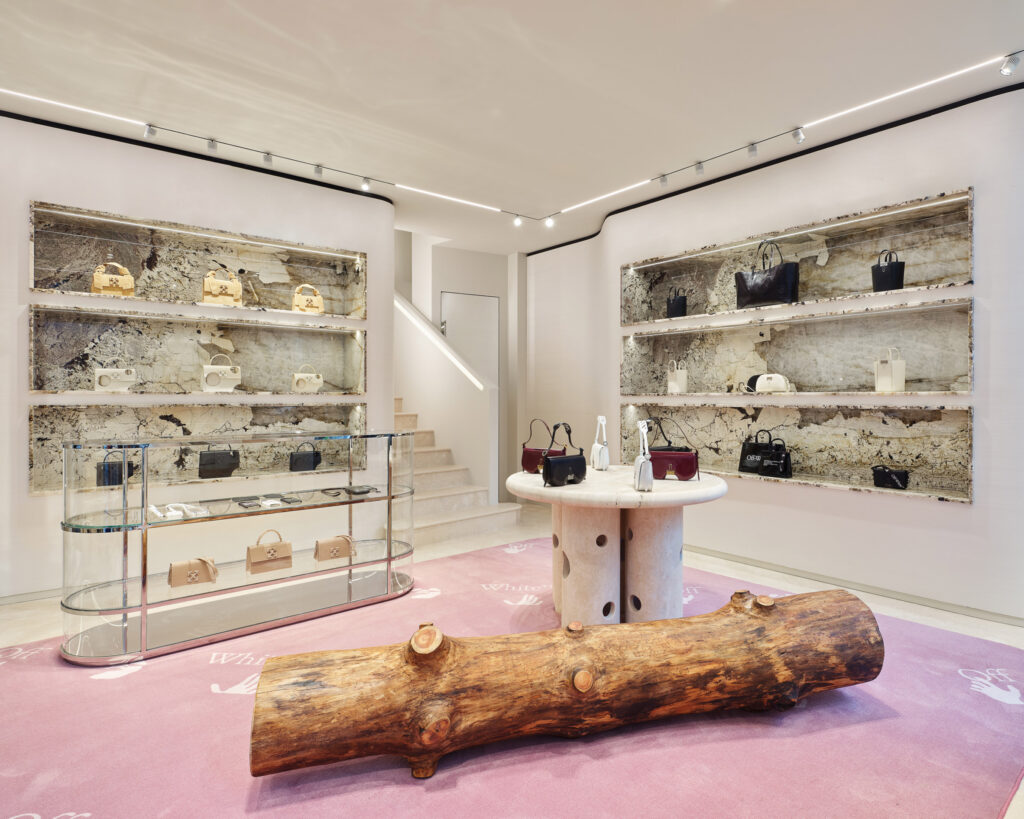
Patagonia stores do not feel commercial. They feel educational. The design uses reclaimed wood, natural light, and durable materials that age gracefully. Displays often include stories about sourcing and repair. Some stores host talks, environmental workshops, and community events. These spaces teach customers to engage thoughtfully with nature and with their own habits. They are not retail environments but cultural classrooms.
The brand understands that architecture is a medium of communication. A Patagonia store expresses its mission physically through the use of honest textures and natural materials. The spaces feel rooted in the same world the products are meant to protect.
Archetype: The Activist Guardian
Patagonia embodies the archetype of the Activist Guardian. This archetype protects, defends, and advocates. It operates from principle, not popularity. The brand’s tone is strong, uncompromising, and clear in its moral stance. It speaks like a guardian of the planet, urging people toward better choices and holding institutions accountable.
The Activist Guardian archetype gives Patagonia its authority and moral credibility. It allows the brand to take political stands without appearing opportunistic. People expect Patagonia to lead conversations, not follow them.
Brand Risks: Staying Pure in a Commercial World
Patagonia faces two major risks. The first is scale. As the brand grows, there is a danger of dilution. The larger a company becomes, the harder it is to ensure that every decision aligns with its values. Growth puts pressure on supply chains, materials, and cultural consistency. The second risk is imitation. Many brands now attempt to appear sustainable, which creates confusion and weakens Patagonia’s distinctiveness.
Another risk is the tension between commerce and activism. The brand must constantly navigate the contradiction of selling products while encouraging minimal consumption. Patagonia’s integrity depends on maintaining this balance authentically.
Lessons from Patagonia: Purpose Is Not a Strategy, It Is a System
Patagonia teaches that purpose cannot be a slogan. It must be a system that governs every part of a brand’s behavior. The company proves that responsibility can be a competitive advantage, not a burden. It shows that consumers crave sincerity, conviction, and companies that stand for something larger than profit. Patagonia built a brand that people trust because it does not act like a brand. It acts like a citizen.
Patagonia has shown the world that the strongest brands are not built on marketing but on values, principles, and lived beliefs. It proved that activism can be identity. It transformed clothing into a moral extension of self. Patagonia is not just an outdoor company. It is a blueprint for how businesses can serve a world in crisis.