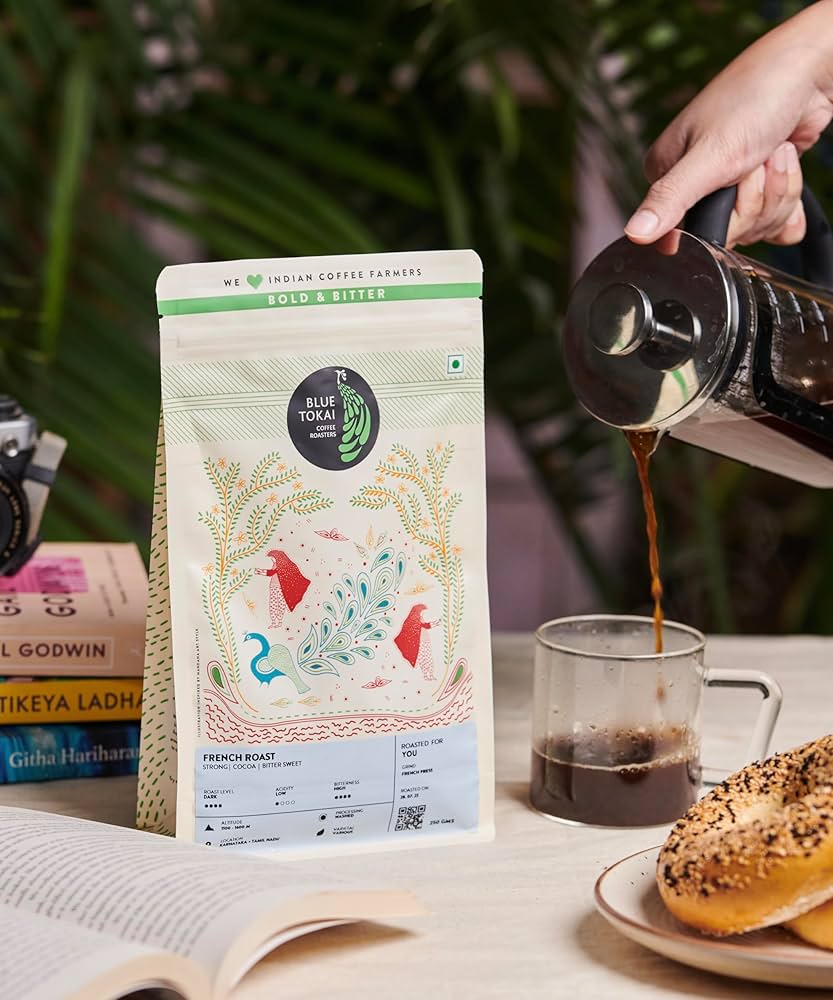
Introduction — How Blue Tokai Rewired India’s Coffee Culture
Before Blue Tokai, India’s relationship with coffee was simple and functional. Most consumers bought instant mixes, enjoyed classic South Indian filter coffee, or treated CCD and Starbucks as occasional lifestyle outings. Specialty coffee existed—but quietly, tucked away in small roasting units and hobbyist circles.
Blue Tokai changed the cultural script.
The brand didn’t just sell coffee; it reframed how young Indians perceive quality, origin, and café culture. By bringing together Indian-grown beans, global brewing standards, and a warm, minimal aesthetic, Blue Tokai made specialty coffee accessible, aspirational, and proudly Indian.
They built a modern identity rooted in:
- craftsmanship
- transparency
- design-led experience
- education without intimidation
Blue Tokai is not merely a coffee company. It is the movement that made specialty coffee mainstream in India.
Origin Story — From Farm Visits to a Cultural Shift
Blue Tokai began in 2013 when founders Matt Chitharanjan and Namrata Asthana realized a simple but powerful truth:
India grows exceptional coffee but Indians rarely get to taste it as intended.
They visited estates, met farmers, observed processes, and learned how post-harvest methods shape flavor. These relationships became the heart of the brand.
The name “Tokai,” meaning the tail of a peacock in Tamil, symbolises the brand’s grounding in Indian soil while carrying an international, design-forward spirit.
Blue Tokai evolved from:
- an online roastery →
- a small café →
- a national network of roasteries, cafés, and tasting rooms →
- and eventually a full specialty coffee ecosystem.
Their origin story continues to drive their strategic decisions: authentic sourcing, ethical partnerships, and cultural education.
Consumer Behaviour — Why India Chose Blue Tokai
Blue Tokai’s rise is inseparable from changing urban behaviour, identity formation, and lifestyle values.
1. Curiosity Toward “Better Coffee”
Global café culture, travel, YouTube, and Instagram sparked curiosity. Blue Tokai simplified specialty coffee, making it inviting instead of intimidating.
2. Desire for Authenticity
Consumers were shifting away from mass brands and industrial instant mixes. Blue Tokai offered:
- roast dates
- estate names
- processing methods
- tasting notes
A level of transparency unheard of in India at the time.
3. Subtle Lifestyle Signalling
Carrying a Blue Tokai cup signals taste, awareness, and a modern, mindful lifestyle. It’s a quiet identity marker, not a flashy luxury.
4. Habit Formation & Rituals
Subscriptions, signature blends, and consistent café quality helped consumers build rituals—morning brews, evening cold brews, and weekend café visits.
5. The Work-From-Café Revolution
Remote workers and freelancers needed calm, aesthetic spaces. Blue Tokai cafés became creative hubs for:
- laptop work
- meetings
- study sessions
6. Health-Conscious Consumption
Minimal syrups, clean menus, single-origin beans, and unsweetened cold brews aligned perfectly with growing wellness culture.
Blue Tokai didn’t chase a market; it grew with changing cultural behaviours and helped shape them.
Competitive Landscape — Where Blue Tokai Leads
Understanding Blue Tokai’s positioning requires looking at the landscape it grew in.
Café Coffee Day (CCD)
Mass, affordable, nostalgic.
Strengths: Accessibility.
Weaknesses: Inconsistent quality, outdated identity.
Blue Tokai wins with higher quality and a modern brand language.
Starbucks India
Global lifestyle café.
Strengths: High recall, consistent ambience.
Weaknesses: “Imported” feel, sugary menus.
Blue Tokai wins with Indian origin authenticity + bean transparency.
Third Wave Coffee Roasters
Direct competitor.
Strengths: Youthful, widespread.
Weaknesses: Later to the game; less farm-level integration.
Blue Tokai wins with first-mover advantage and deeper farmer relationships.
Sleepy Owl
Retail-first cold brew brand.
Strengths: Convenience; youth appeal.
Weaknesses: No café network; limited specialty credentials.
Blue Tokai wins with a holistic ecosystem.
Local boutique roasters
Strengths: Hyperlocal niche.
Weaknesses: Small scale, limited reach.
Blue Tokai wins with trust, scale, systems, and design.
Blue Tokai sits at the intersection of quality, culture, and accessibility.
Purpose, Vision & Values

Blue Tokai’s philosophy comes through in every touchpoint — from farm relationships to packaging.
Purpose
To elevate and celebrate Indian coffee by making specialty quality accessible to everyday consumers.
Vision
A modern India where coffee is understood, appreciated, and valued — from farm to cup.
Values
- Transparency
- Craftsmanship
- Ethical sourcing
- Simplicity
- Education
- Community
These aren’t stated values; they’re lived values. Every decision reflects them.
Brand Personality — The Soul of Blue Tokai
If Blue Tokai were a person, it would be:
- warm
- knowledgeable
- minimalistic
- curious
- grounded yet modern
- serious about craft but never intimidating
Their personality comes to life through:
- calm, educational tone
- earthy palettes
- clean, modern typography
- matte packaging
- uncluttered cafés
The brand is crafted to feel human and reassuring — never arrogant or overly artisanal.
Experience Strategy — Where Craft Meets Comfort
Blue Tokai cafés are designed around a simple idea:
Great coffee should feel effortless.
Craft
- visible roasters
- tasting notes
- pour-overs and aeropress
- seasonal micro-lots
- barista knowledge
Comfort
- warm interiors
- natural light
- simple furniture
- friendly service
- food that complements coffee
This duality attracts beginners, enthusiasts, remote workers, creators, and collectors alike.
Product & Menu Strategy — Simple, Honest, Educational

Blue Tokai builds trust by making the product unmistakably clear.
They highlight:
- estate names
- roast profiles
- processing methods
- tasting notes
- seasonal specials
- cold brew variants
- home brewing equipment
The brand uses packaging and barista interactions to educate consumers without overwhelming them.
This creates:
- loyalty
- palate awareness
- premium willingness
- long-term brand trust
Storytelling & Visual Identity — Proudly Indian, Calmly Modern
Blue Tokai’s visual world is highly intentional.
Visual Identity
- Peacock tail icon — elegant, grounded, symbolic
- Earth tones — authenticity + warmth
- Minimal typography — modernity
- Matte textures — artisanal, premium
- Clean interiors — clarity and calm
Narrative Themes
- farm-to-cup transparency
- celebrating Indian terroir
- craftsmanship
- community
- ethical sourcing
- the curiosity of learning coffee
Their aesthetic doesn’t imitate Western brands; it redefines what Indian specialty coffee looks like.
Ethical Sourcing — The Trust Engine
Blue Tokai’s sourcing model is the foundation of its credibility.
They:
- work directly with estates
- offer price premiums
- promote sustainable practices
- share detailed origin stories
- experiment with varietals and processing
- create long-term farmer partnerships
This gives the brand authority, transparency, and emotional depth.
Ecosystem Strategy — The Power of Multi-Channel
Blue Tokai isn’t just a café chain — it’s a full-stack coffee ecosystem.
It operates through:
- cafés
- roasteries
- online store
- subscriptions
- retail supermarkets
- workshops
- coffee equipment sales
- collaborations with hotels & restaurants
This multi-touchpoint model keeps consumers connected across numerous lifestyle moments.
SWOT Analysis — A Strategic Overview
Strengths
- Strong first-mover advantage
- Deep relationships with farmers
- Authentic storytelling
- High-quality roasting
- Approachable tone
- Aesthetic and functional café spaces
- Multi-channel distribution
Weaknesses
- High price point
- Limited tier-2/3 penetration
- Perceived as niche by some
- Operational complexity
Opportunities
- India’s massive shift from instant to premium
- Ready-to-drink products
- Corporate partnerships
- International expansion
- Retail scaling
Threats
- Competition from Third Wave, Subko
- Weather affecting Indian estates
- Inflation and recession impact
- Aggressive global chains expanding
Conclusion — The Blue Tokai Formula
Blue Tokai didn’t just introduce specialty coffee to India — it reshaped the culture around it.
Their success comes from a delicate balance of:
- authenticity
- design
- education
- farm partnerships
- café ambience
- transparent storytelling
- ecosystem thinking
While many global brands sell the idea of a Western coffee lifestyle, Blue Tokai created something deeper:
a modern, proudly Indian coffee movement built on craft, culture, and connection.