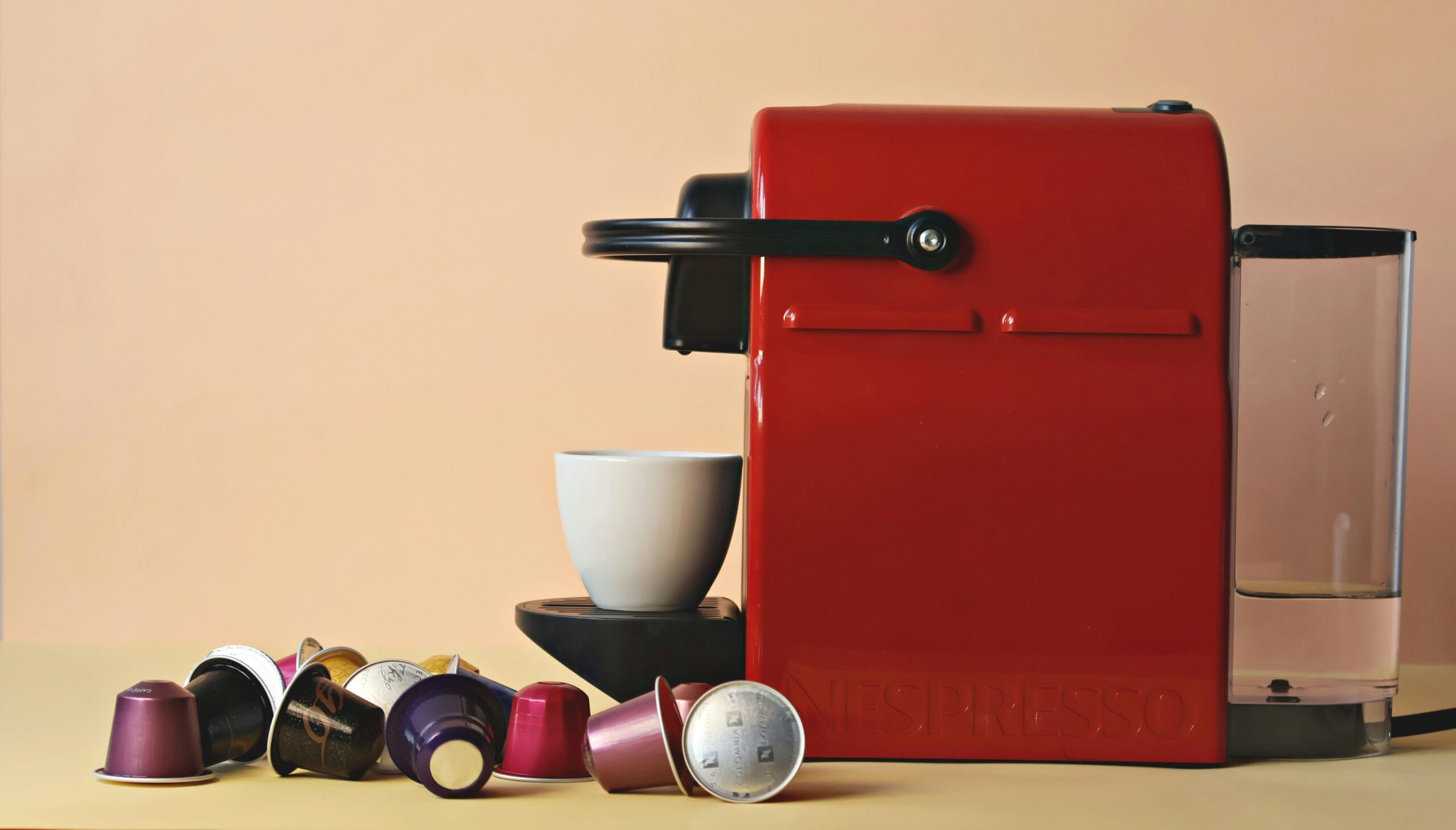
Nespresso is not just a coffee brand. It is a cultural construction built on symbols, rituals, and a carefully manufactured sense of refined living. When it entered the market, Nespresso did not compete with instant coffee or baristas. It created a new symbolic category where coffee became an expression of identity, taste, and cultural capital. Understanding Nespresso requires looking beyond machines and capsules into the cultural forces it activates, the behaviors it shapes, and the meanings it embeds in every part of the experience.
Cultural Context: When Coffee Became a Lifestyle
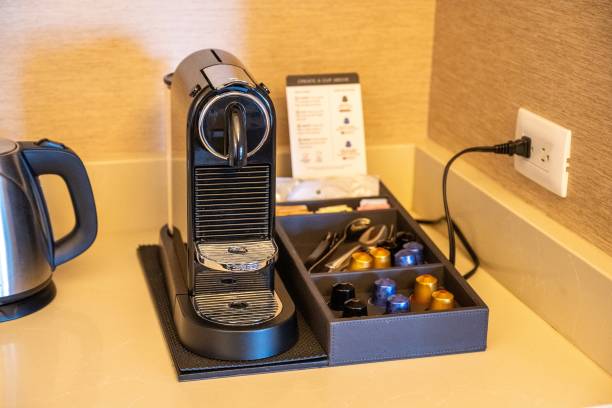
Nespresso emerged at a time when global consumers were becoming more mobile, more design conscious, and more interested in elevating the simplest parts of their lives. Coffee was shifting from a functional morning beverage to a lifestyle signal. Starbucks was socializing coffee through community spaces. Third wave coffee was intellectualizing it through craft, origins, and authenticity. Nespresso saw an unclaimed cultural territory: the home as a site of aspirational café-quality experience.
Nespresso positioned itself as the brand for people who wanted sophistication at the press of a button. It gave consumers the emotional reward of connoisseurship without requiring knowledge, time, or effort. In a world that was becoming increasingly fast and aesthetically refined, Nespresso became the perfect expression of “effortless luxury.”
The Brand’s Belief System: Coffee as an Act of Self-Respect
At the heart of Nespresso is a belief that small everyday rituals should feel elevated. The brand is built on the idea that refinement is not limited to special occasions. It is something you can bring into your morning routine, your 4 pm slump, or your weekend reading ritual. Nespresso stands for a world where the quality of micro-moments matters. The brand encourages people to treat themselves to miniature luxuries, suggesting that these small acts reflect personal standards.
The belief system is aspirational but accessible. It says: you deserve a premium experience in your everyday life. This philosophy is present in the imagery, materials, language, and customer journey that Nespresso constructs across every channel.
Semiotic Codes: The Luxury of Minimised Complexity
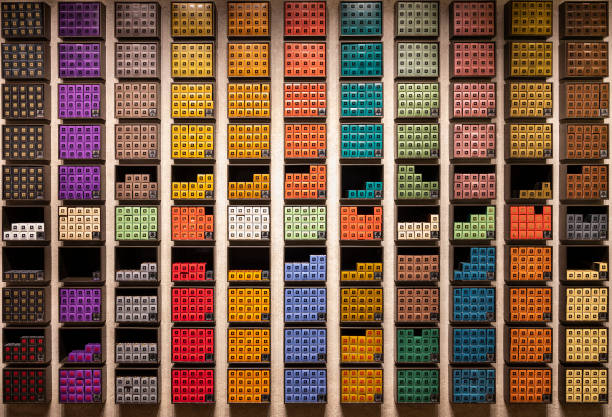
Nespresso’s world is built using a specific aesthetic vocabulary. The capsules are jewel-like objects that stand for order, taste, and discernment. Their colors function as semiotic signals of flavor, intensity, and mood. The machines use crisp lines, stainless steel accents, and a controlled palette to evoke modern European restraint. The boutiques resemble luxury fashion stores rather than grocery aisles. Everything is clean, structured, and visually quiet, teaching consumers that Nespresso belongs in the same cultural frame as watches, perfumes, and fine chocolate.
Even the crema serves as a semiotic sign. It is not just a layer of foam. It is the visual confirmation that your home espresso has achieved café status. The entire experience uses symbols to communicate that this is not coffee as fuel. This is coffee as an aesthetic pleasure.
Rituals and Behaviours: Engineering a New Coffee Habit
Nespresso carefully designs its rituals to feel both effortless and elevated. The act begins by choosing a capsule from a curated display. This is not a task but a moment of selection, almost like choosing a fragrance for the day. Inserting the capsule into the machine feels deliberate and tactile. Pressing the button is an act of ceremony, not mechanical convenience.
The sensory cues complete the ritual. The sound of the machine, the aroma that fills the space, and the visual satisfaction of the crema create a predictable yet emotionally rewarding experience. Through repetition, Nespresso has shaped a behavior loop where convenience meets sensory pleasure, turning a simple cup of coffee into a ritual that reinforces the brand’s meaning every day.
Cultural Capital: Becoming a Modern Symbol of Taste
Owning Nespresso communicates something about the consumer without them having to say it. It signals that they care about design, aesthetics, and quality. It shows that they value efficiency but refuse to compromise on sophistication. The machine becomes a subtle social cue, the way a photograph, art print, or book collection signals identity.
Nespresso’s cultural capital is reinforced through its association with minimalism, premium European lifestyle cues, and carefully curated experiences. It is the coffee equivalent of wearing a well-fitted black blazer or using a premium skincare brand. It does not shout luxury. It whispers it.
Archetype: The Modern Hedonist
Nespresso aligns with the archetype of the Modern Hedonist. This figure does not seek indulgence through excess but through refined pleasures. The Modern Hedonist values small, curated moments that feel sensorial and intentional. They find joy in details, textures, and atmospheres.
This archetype is expressed through Nespresso’s tone of voice, often soft, elegant, and evocative. The brand does not sell machines and capsules. It sells the feeling of being someone who enjoys beauty in the everyday.
Store Design: The Boutique as a Stage for the Brand
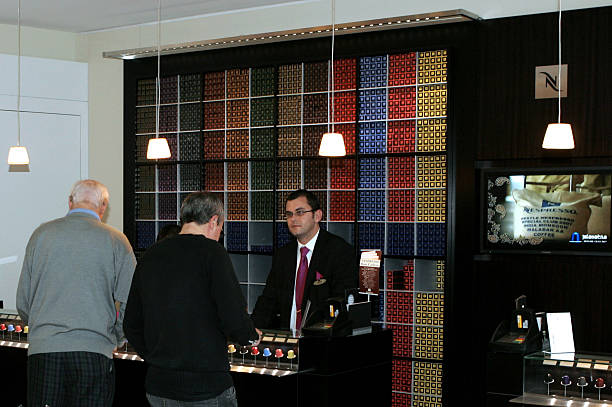
Walking into a Nespresso boutique feels like entering a luxury cosmetics space. The lighting is warm, the materials are polished, and the merchandise is displayed with a sense of artistry. Capsules are often arranged like color swatches. Coffee machines sit on pedestals the way jewelry would be displayed.
Staff interactions are completely choreographed. The brand gives you tastings in tiny cups that resemble delicate porcelain. The entire experience is meant to slow you down, invite exploration, and justify the premium world Nespresso builds. The boutique is not a store. It is a stage where the brand’s values come alive.
The Crema: A Signature of Consistent Luxury
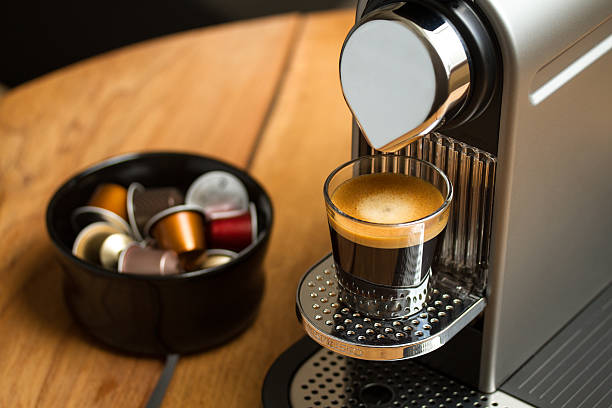
The crema is central to Nespresso’s emotional promise. It is the brand’s proof of performance. Consumers may not know the science behind pressure extraction or foam stability, but they know that crema is a sign of expertise. Nespresso has used this simple visual cue to anchor its value proposition in something tangible and repeatable.
Every cup, regardless of capsule or machine, delivers the same sensory signal. This consistency allows Nespresso to position itself as reliable luxury, not experimental craft.
Brand Risks: The Tension Between Luxury and Convenience
Nespresso’s biggest challenge is the rise of sustainability concerns and the shift toward artisanal, transparent sourcing. The brand’s premium image depends on capsules that many consumers now perceive as environmentally costly. This creates a tension between luxury and accountability. Competitors in specialty coffee often use transparency and origin stories as cultural currency, while Nespresso’s controlled system limits its ability to embrace authenticity narratives.
Another risk lies in the democratization of espresso machines. What once felt exclusive is now widely accessible. Maintaining the aura of refinement becomes harder as at-home coffee culture matures. Nespresso must continuously evolve its cultural codes to avoid becoming a commodity.
Lessons from Nespresso: How Brands Build Meaning Beyond Products
The biggest lesson from Nespresso is that brands do not win by competing on features. They win by creating meaning, shaping habits, and influencing cultural narratives. Nespresso teaches three powerful ideas. First, everyday products can be elevated when framed through aesthetic pleasure and refined ritual. Second, symbols and semiotics matter as much as functionality. Third, a brand becomes powerful when it builds a belief system that consumers internalize and enact through daily behaviours.
Nespresso succeeded because it built a world, not a machine. It crafted an identity that consumers could borrow, a ritual they could repeat, and a set of cultural signals they could display. In doing so, it transformed a simple cup of coffee into a personal expression of taste, sophistication, and modern hedonism.